Table Of Content

Then they begin growing their “Vellus Hair” – that soft, silky, new hair babies have until they’re around two. For some lucky babies, the period between when they lose their birth hair and grow their new hair overlaps. These are the babies who don’t seem to lose their hair at all.
What can I do about my baby’s hair loss?
Maybe you’re spotting a few loose little strands when you dry them off after a wash, or possibly, clumps of hair coming out and you’re feeling anxious about it. You wondered for nine months what your baby would look like, their hair and eye color, and whether they got your nose. My husband and I are both fair-haired, so when our baby came out, he first said, “Her hair is black!
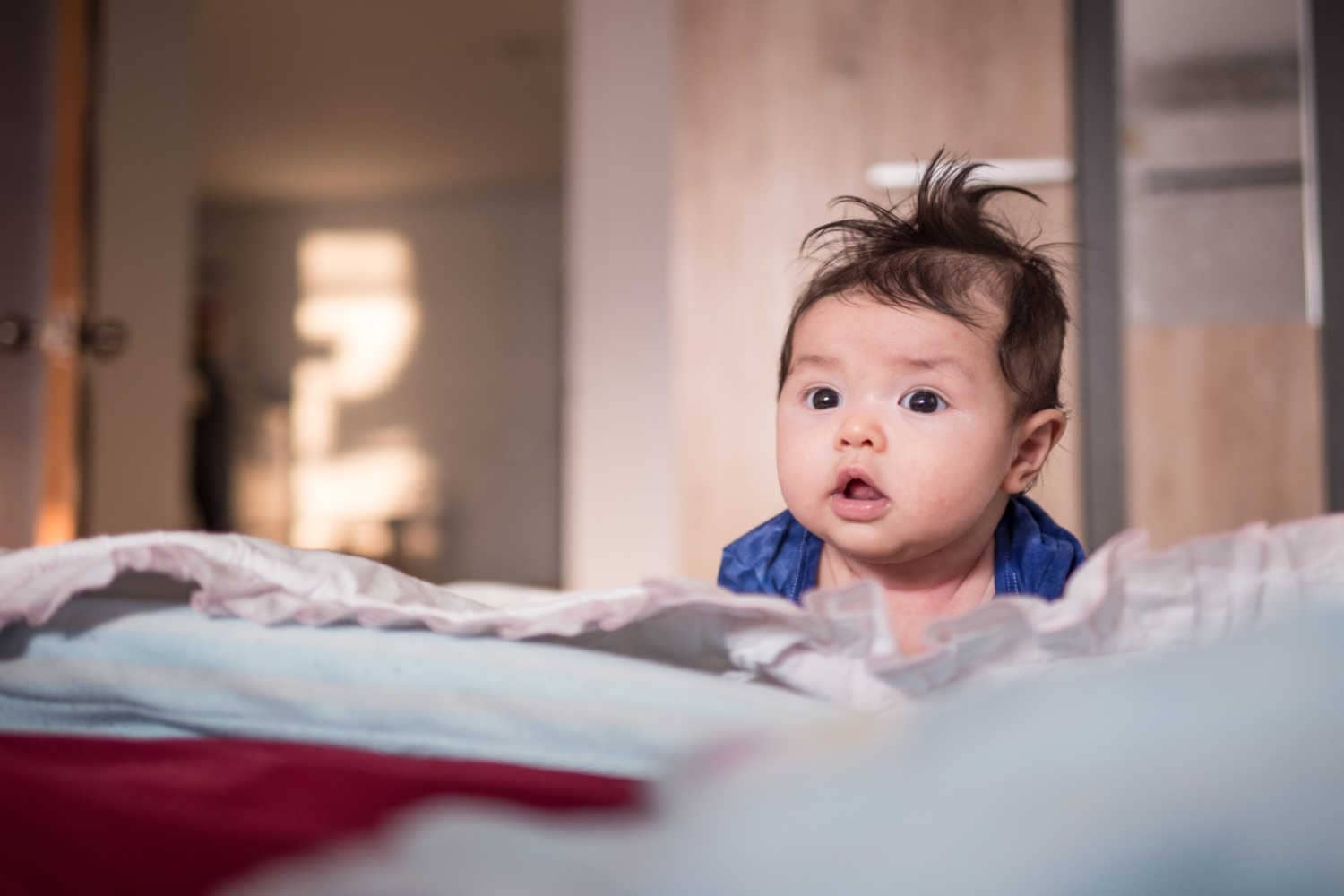
Baby Hair Loss: What To Do If Your Baby Starts To Lose Their Hair
Research published in 2002 notes that it’s very rare in children under 6 months, but there have been reported cases. Although reducing your stress levels might seem insurmountable, making sure you’re eating the right things will go a long way to setting a good foundation for optimum hair growth. A healthy balanced diet is also important in stress reduction too as it can support a healthy immune system, repair damaged cells and even reduce elevated cortisol levels. Getting enough protein in your diet is essential as it provides the building blocks for proper hair growth; meat, tofu, eggs, beans, grains, nuts, and fish are all good protein sources. Some studies suggest that telogen effluvium can also be connected to low levels of iron, so include iron-rich foods like leafy vegetables, lentils and liver where you can. If you like the idea of adding supplements to your routine, there are some which are specifically formulated to contain ingredients that increase hair thickness and health.
Preventing Bald Spots
Have dreams of styling a gorgeous, sweet-smelling head of baby hair? Luckily, the exogen phase is usually followed rather quickly (or even simultaneously) by new hair growth. But the baby hair that grows in may be nothing like your little one’s newborn locks. If you notice that your baby has bald patches, observe the way they sit and sleep. If they always sleep in the same position or tend to sit with the back of their head against a baby seat, they may lose hair in that area. They may also develop a bald spot if they rub their head against their mattress.
Why do men's eyebrows get bushier with age? - Livescience.com
Why do men's eyebrows get bushier with age?.
Posted: Sat, 23 Oct 2021 07:00:00 GMT [source]
It's considered the stress hormone, and during times of stress, cortisol helps direct energy toward vital functions and away from less important tasks. Most hair loss happens in the first 6 months of life, peaking at about 3 months, say the experts at Oregon Health and Science University. Your baby may have been born with a head of hair that could rival Chewbacca. Now, just a few months later, all that’s left are Charlie Brown wisps. Ultimately, tummy time helps your baby learn to push up, roll over, sit up, crawl, and eventually stand — all important developmental milestones in your baby’s life. Most infants will lose some or all of their hair in the first six months after they’re born.
Pregnancy and hair dye: Safety, precautions, and alternatives - Medical News Today
Pregnancy and hair dye: Safety, precautions, and alternatives.
Posted: Thu, 24 Feb 2022 08:00:00 GMT [source]
However, this act can increase the rate of hair loss in babies, as their hair seems thin and very sensitive. With the presence of lesser oils on your baby’s scalp, they tend to have very little dirt on their hair and, as such, do not require a frequent hair wash. Constant hair washing for your baby can make the hair drier, leading to breakages. This condition can also occur by the effect of some hormones transferred from mothers to their babies during childbirth.
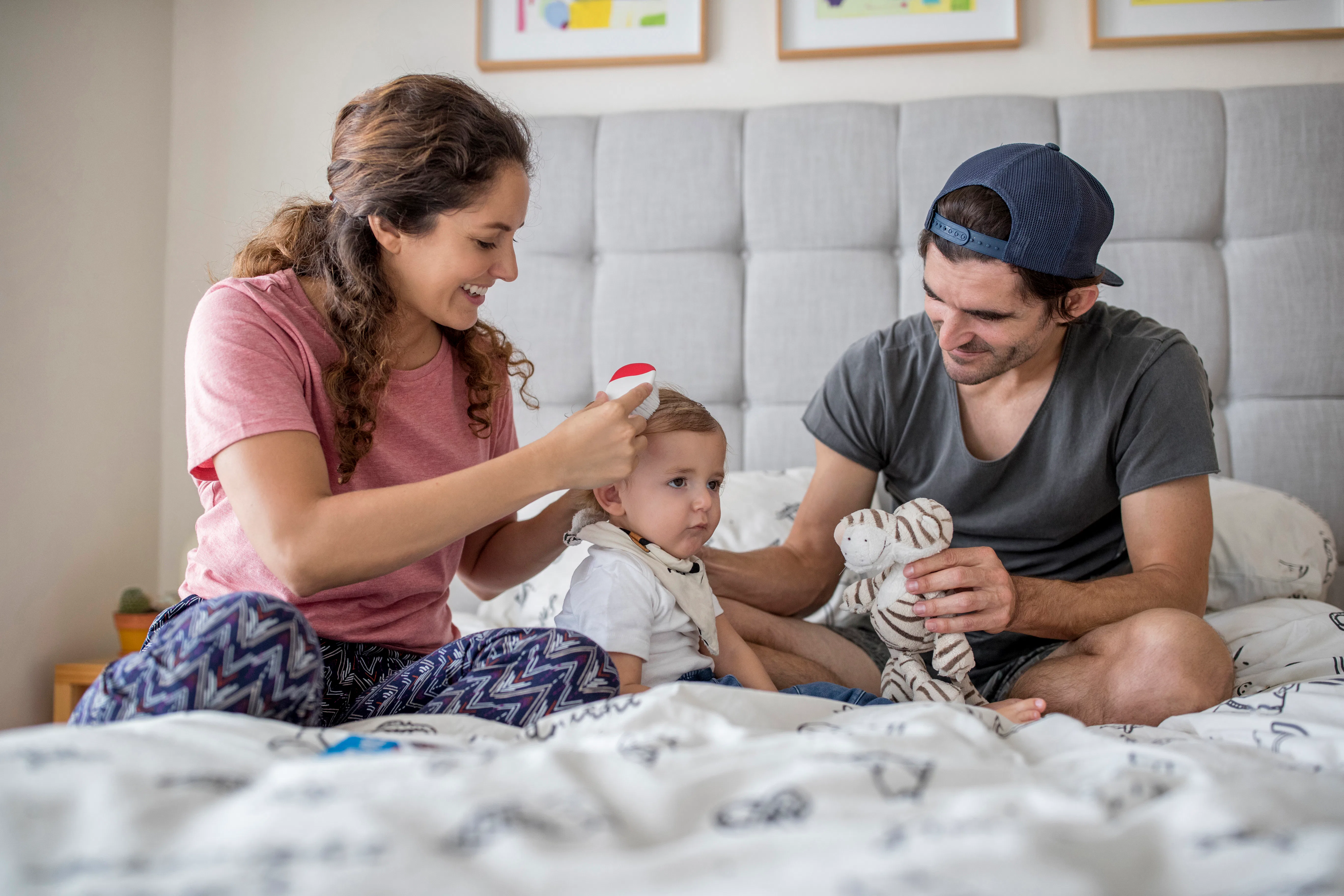
Although NOA tends to be expected, you must note any abnormal hair loss in your baby. Hair loss in babies seems normal, mainly during the first six months after birth, and occurs just before they start growing their mature hair. However, it is essential to note that the pattern and time at which hair loss occurs in babies varies and are often based on different factors. Some factors that affect hair losses in babies include hereditary, nutrition, sex, and ethnicity. Mitzner says that sometimes, when trying to treat the cradle cap and remove the crust patches, the child can lose hair.
Should I worry if my baby has a bald patch?
If your baby usually sleeps with their head at one end of the crib, try putting them down with their head at the other end of the crib for a night or two. If you regularly put your baby’s hair in a ponytail (of any size or at any location on their head), the tightness of the ponytail may result in hair loss. Even excessive twirling or hair pulling (by your baby) can cause irregular patches to fall out. Fortunately, most babies will regrow their hair completely by the time they turn one. Even if they start losing their hair at six months old, everything will likely be back to normal in another six months. When your little one’s hormone levels stabilize, their hair may be blonde even though it started out as brown.
Cradle Cap
Your baby’s permanent hair will likely begin to appear around the six-month mark. However, your little one may grow their childhood hair as early as three months or as late as 18 months. It’s considered healthy and normal for babies to grow their big-kid hair any time before two years of age. It’s perfectly normal for your baby to lose the hair they had when they came out into the world — be it a little or a lot — several weeks or months after birth. In fact, most infants will go through a stage of hair loss. One of the most common reasons for newborn hair loss is telogen effluvium (the official name for substantial newborn hair loss) and is essentially due to those pesky post labor hormones.
If yours seems to not get there by the time you’re getting the cake ready, don’t worry. The same happens to new mothers when their lush locks slowly disappear after birth. This is due to telogen effluvium, the process by which hair is lost three to four months after a stressful event. There is no telling what a baby’s hair will look like or how much they’ll have. Some babies are born with a lot of it and some are born with a perfectly bald head.
While it may be tempting to style that massive newborn mane in all sorts of fun ways, try to avoid being too aggressive with elastics and clips. Stick to soft headbands that won’t pull too tight or cause discomfort. Just don’t forget to snip a bit for the baby book — you’ll want to remember that all-important first haircut milestone. That said, for safety reasons, Benjamin suggests getting baby’s first haircut done by a professional. “They may play a greater role in holding or positively distracting the child,” she says. And no, what you may have heard about shaving a baby's head to allow hair to grow back thicker isn't true.
There are no guarantees, but in most cases a baby's hair loss is temporary. There's a good chance your child will sport a full head of hair within a year. If the bald spot is the result of your baby spending too much time in the same position, try alternating the way your baby sleeps during naps and at night.


No comments:
Post a Comment